
Road bike aero bottle testing
PH587141 • 17 July 2026
WHAT IS THE IMPACT OF USING ROUND OR AERO BOTTLES ON A ROAD BIKE?
Modern road bikes are designed to accommodate water bottles aerodynamically, knowing that riders will have a bottle on their bike most of the time, and especially in longer pro races such as the Tour de France.
This test explored the impact of putting a road bottle on an aerodynamic road frame (a Cannondale SystemSix), as well as an aerodynamic water bottle (Trek RSL), and multiple bottles of both varieties. This impact will vary depending on different bikes/frames and even front wheels, however this test is designed as a guide to help understand what could be occurring with your aerodynamics when you use a bottle on your bike.
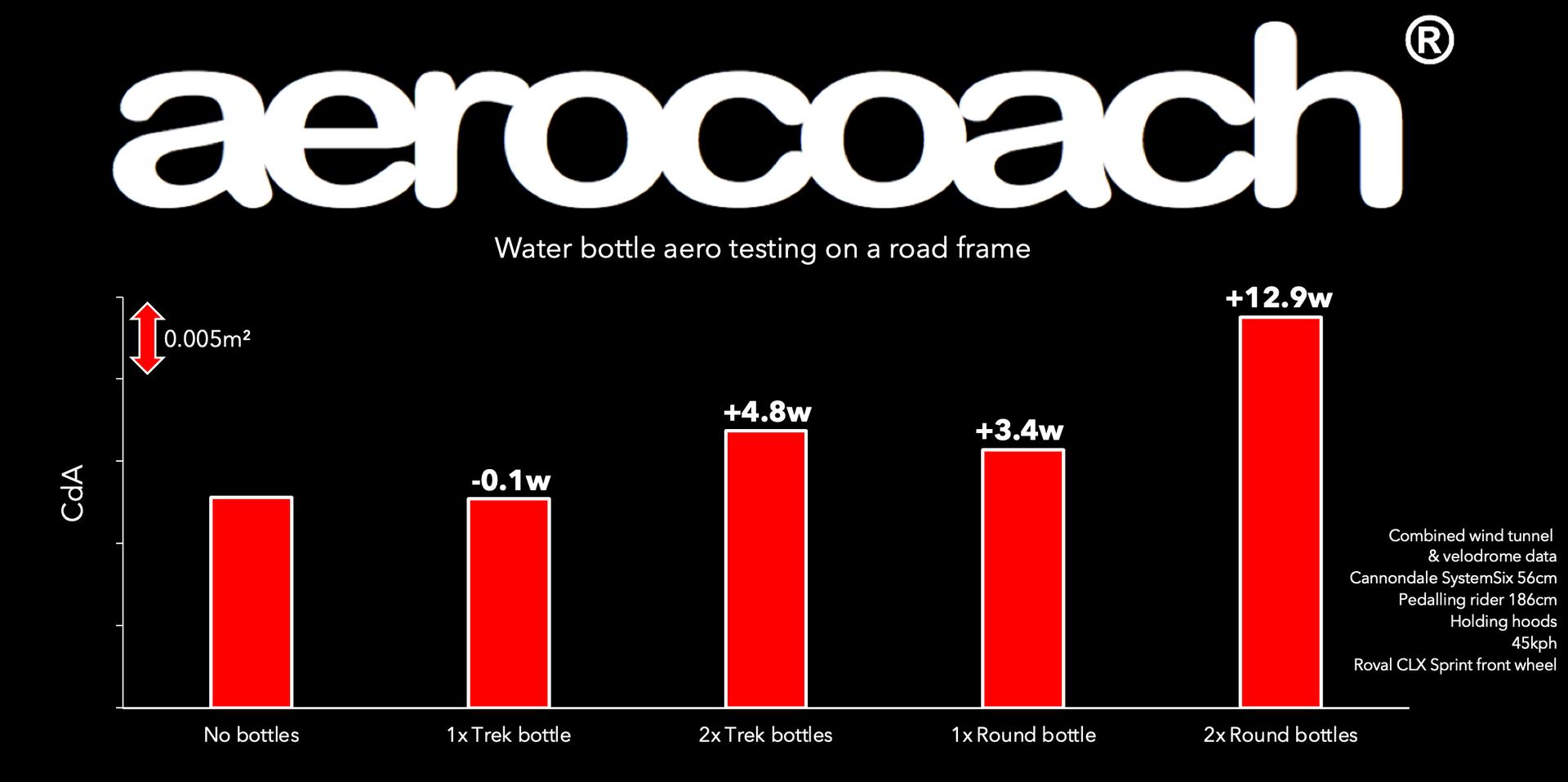
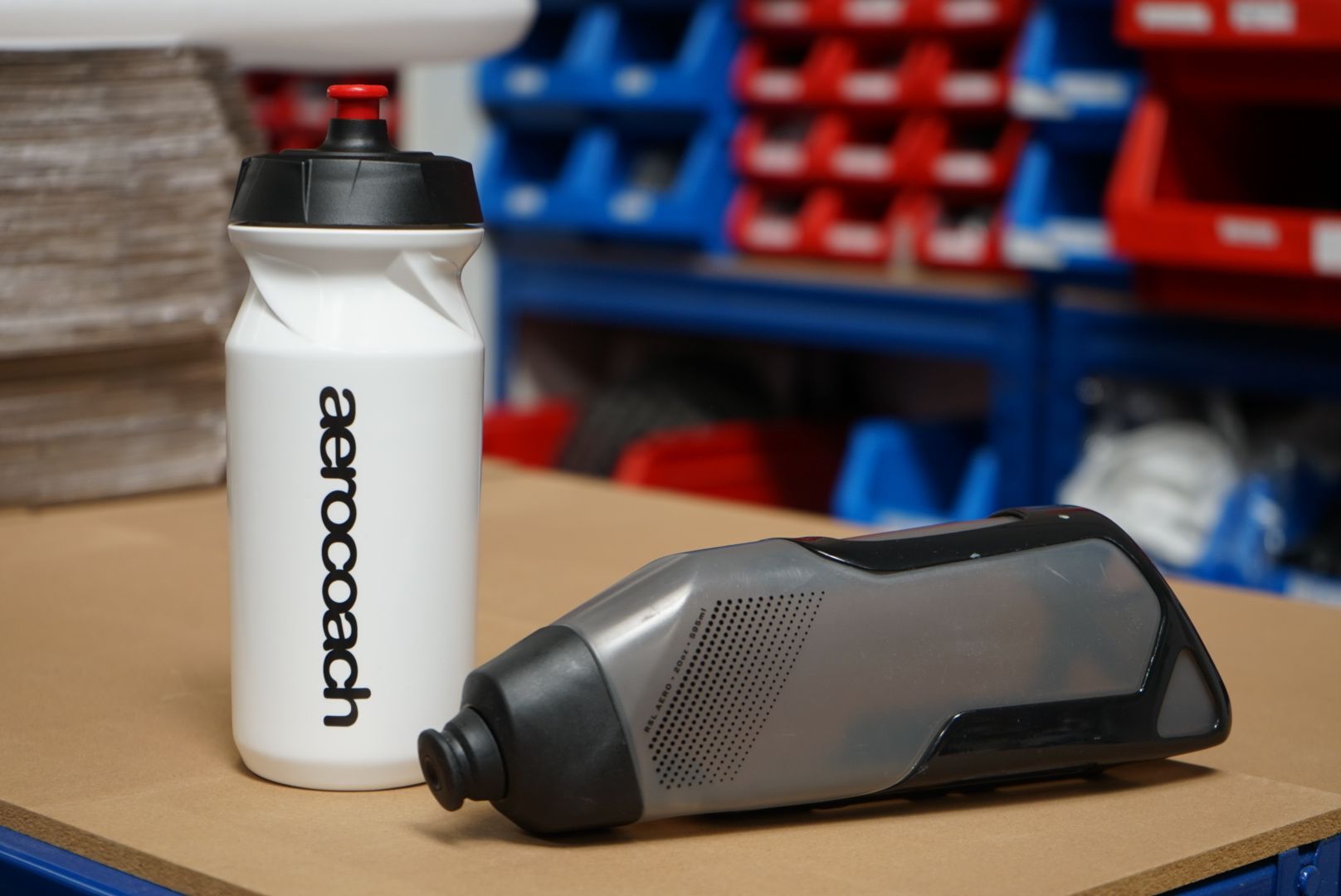
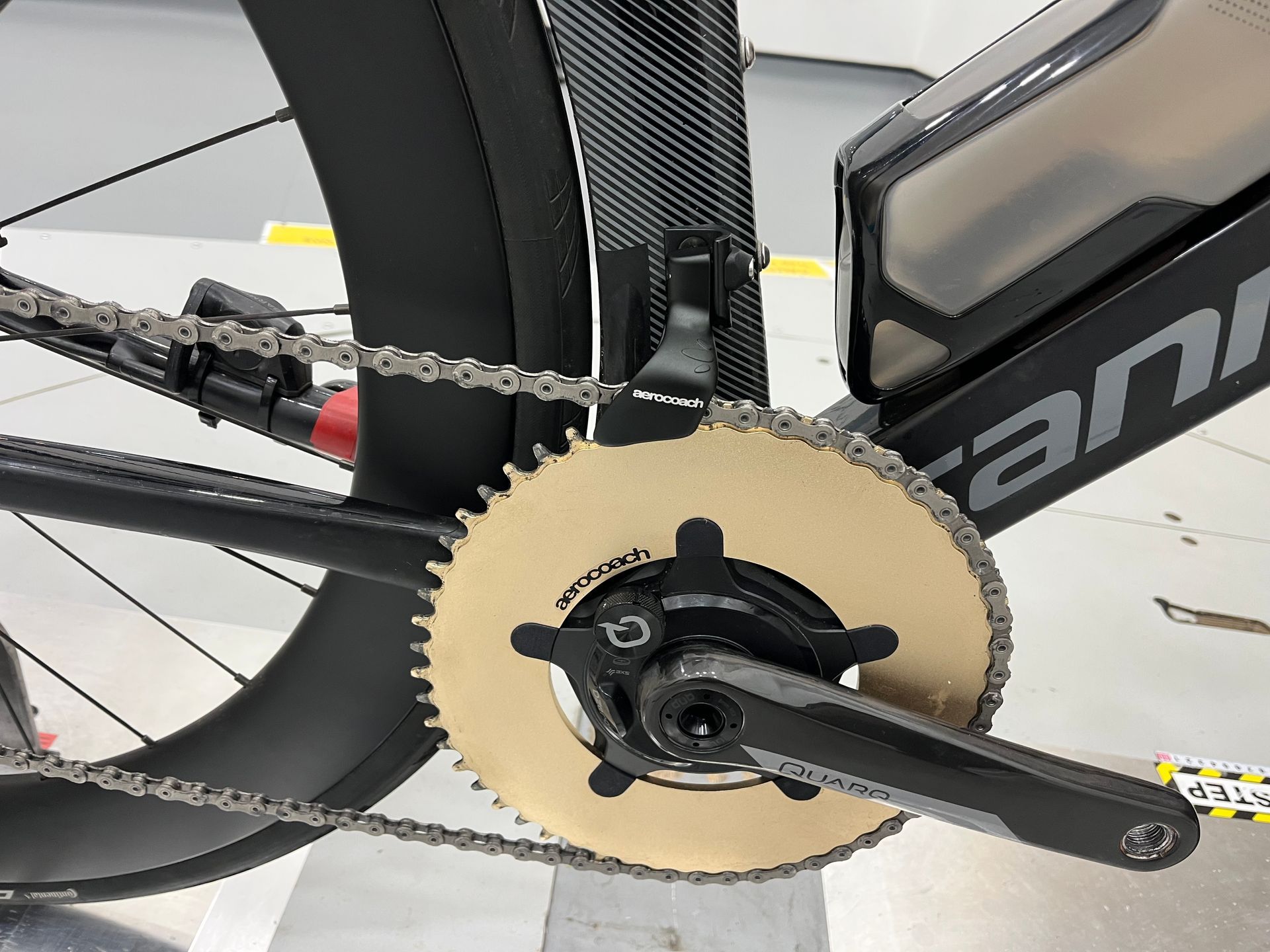
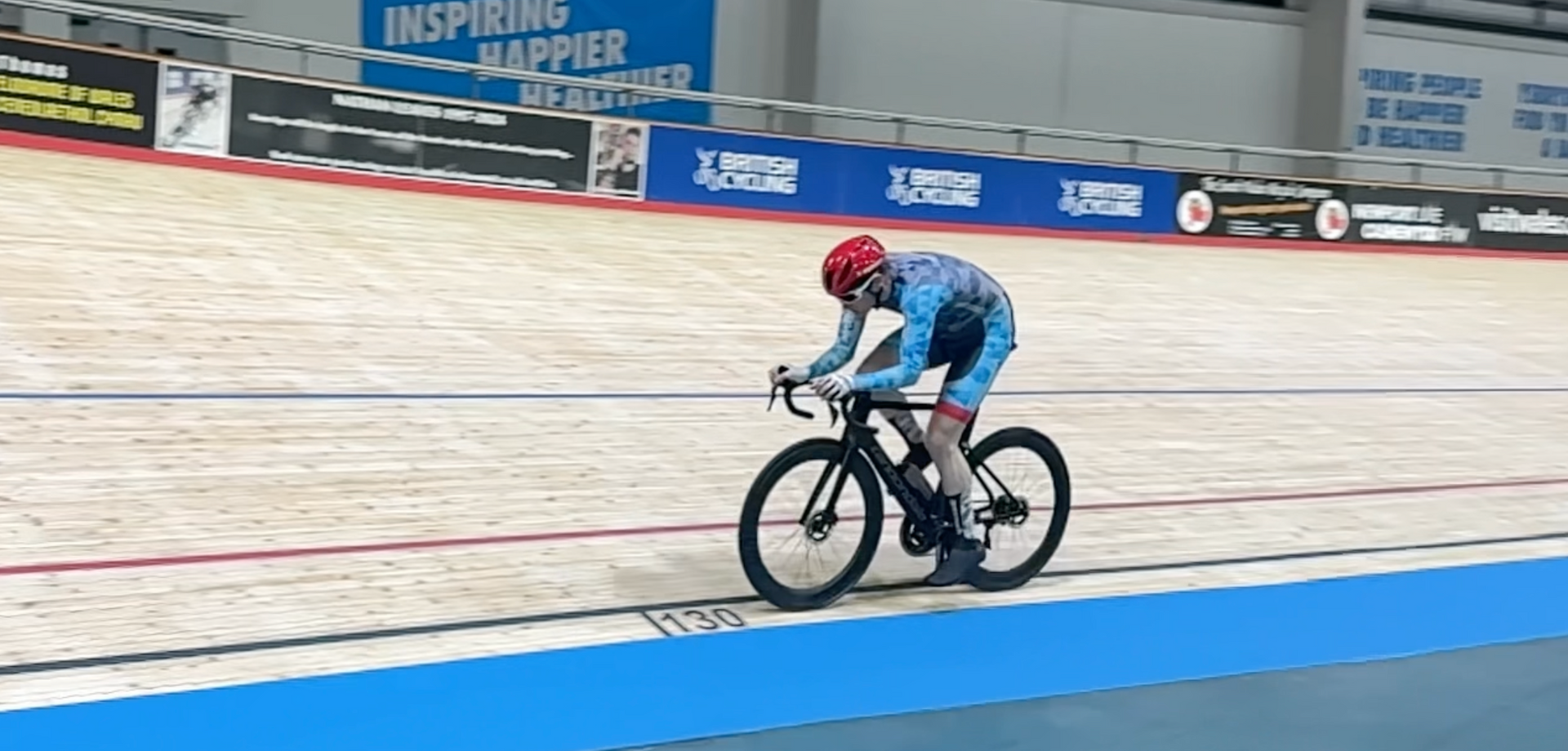
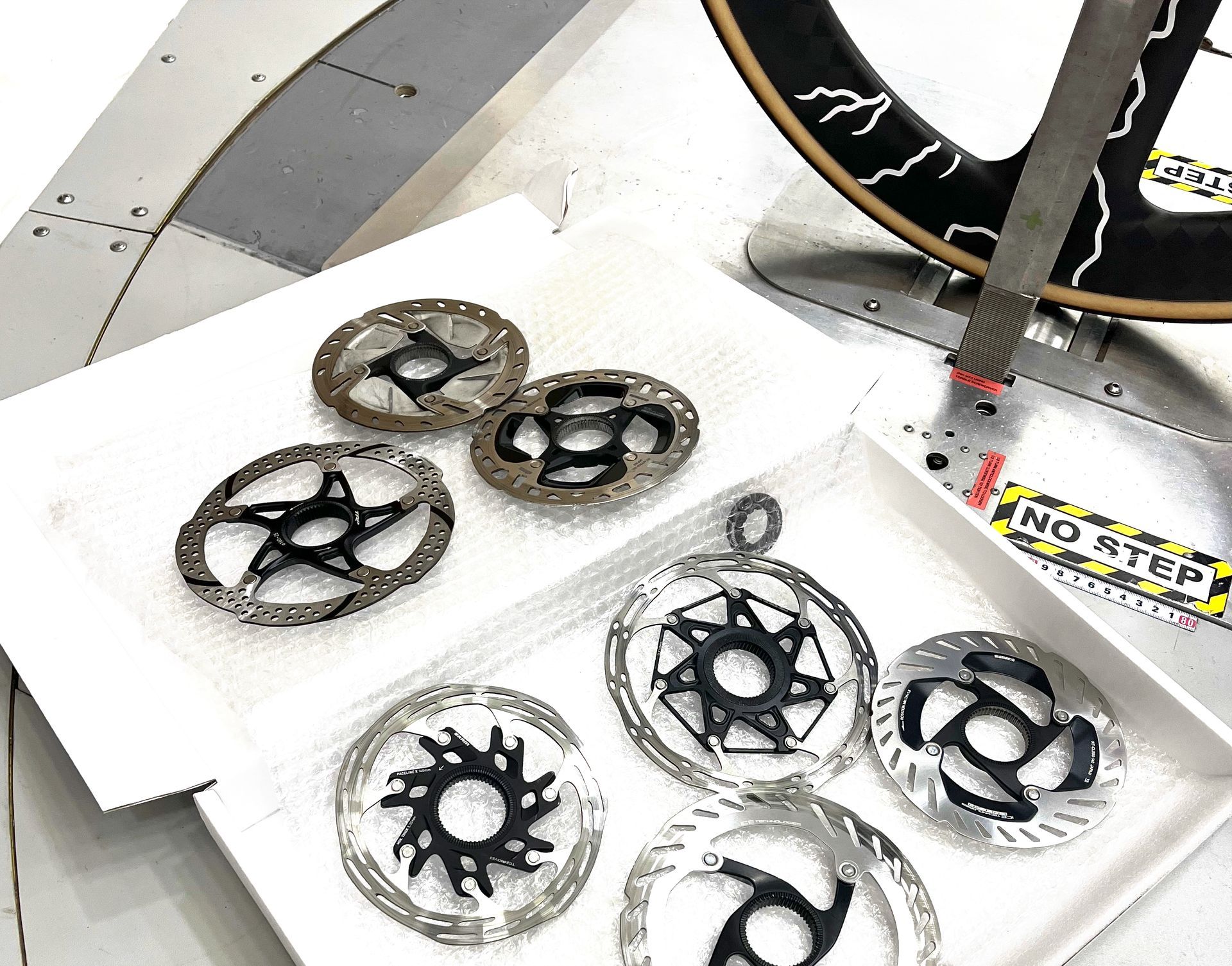
AeroCoach front rotor aero wind tunnel testing between 140mm and 160mm rotors, as well as the impact of aero rotor covers.
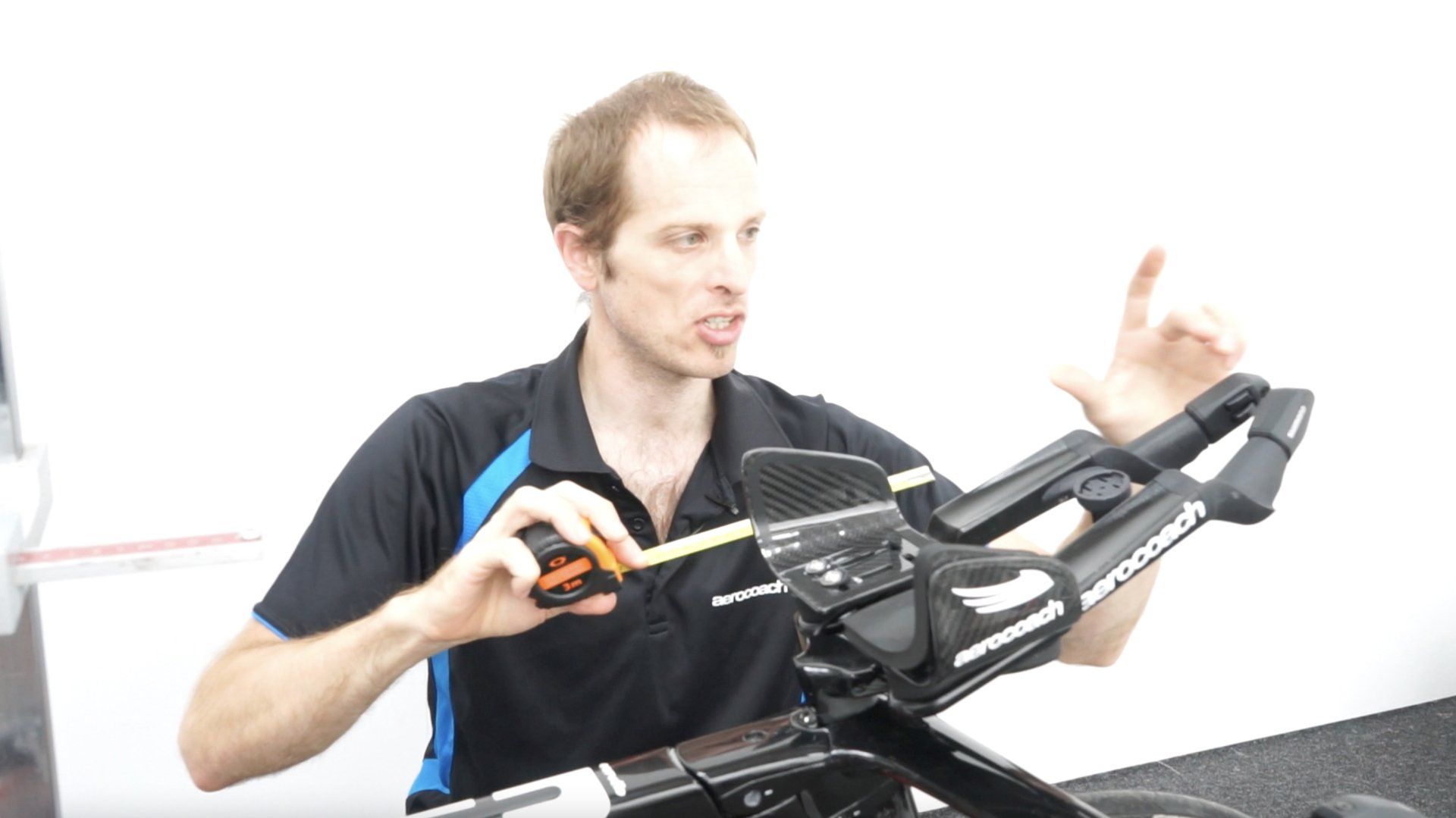
Dr Xavier Disley explains UCI time trial bike position rules and regulations from 2026 onwards. The video shows how a bike is placed into a UCI jig and measured.
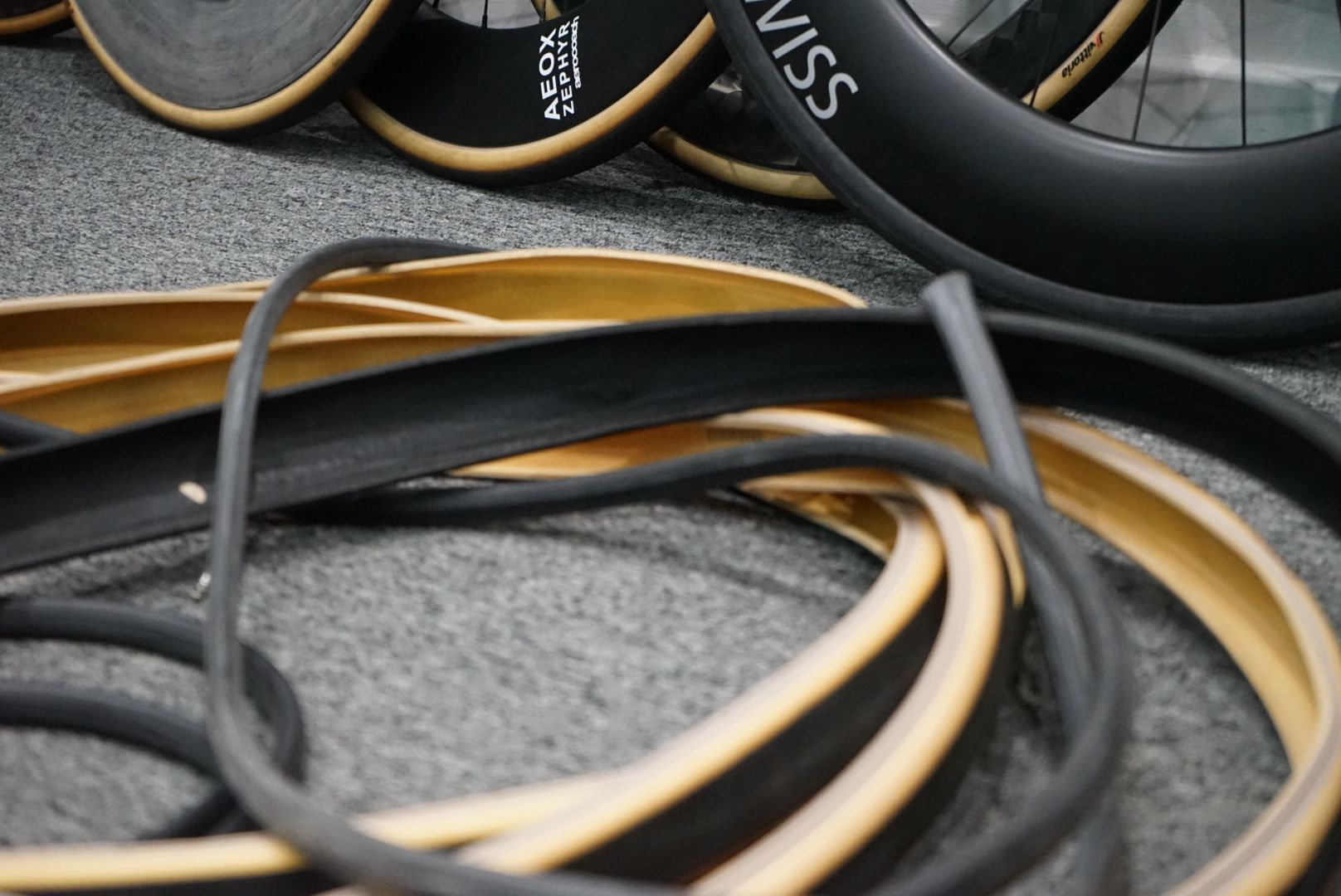
It has often been said that to have good cycling wheel performance, there is a "rule" that the external rim width of a wheel should be at least 105% of the width of the tyre, or that there is a simple relationship/formula that will predict the aerodynamic performance of a wheel based on rim width vs tyre width. Whilst this may have rung true with older models of wheels which shared a V shaped or flat sidewall shape, modern rims come in a range of shapes which vary in terms of their aero performance due to a number of factors, not just external rim width. Rim depth, the vertical location of maximum rim width, nose profile (at the spoke entry point), dropoff angle to nose profile and "brake track" angle are all critical components that add up to allow for a fast rim shape. The data below is a subset, taken from a wind tunnel test of deeper time trial/triathlon wheels, both with normal spokes and composite multispokes (3 and 4 spokes), exploring if there is a simple relationship between the external width of a wheel and its performance, all with the identical same tyre.
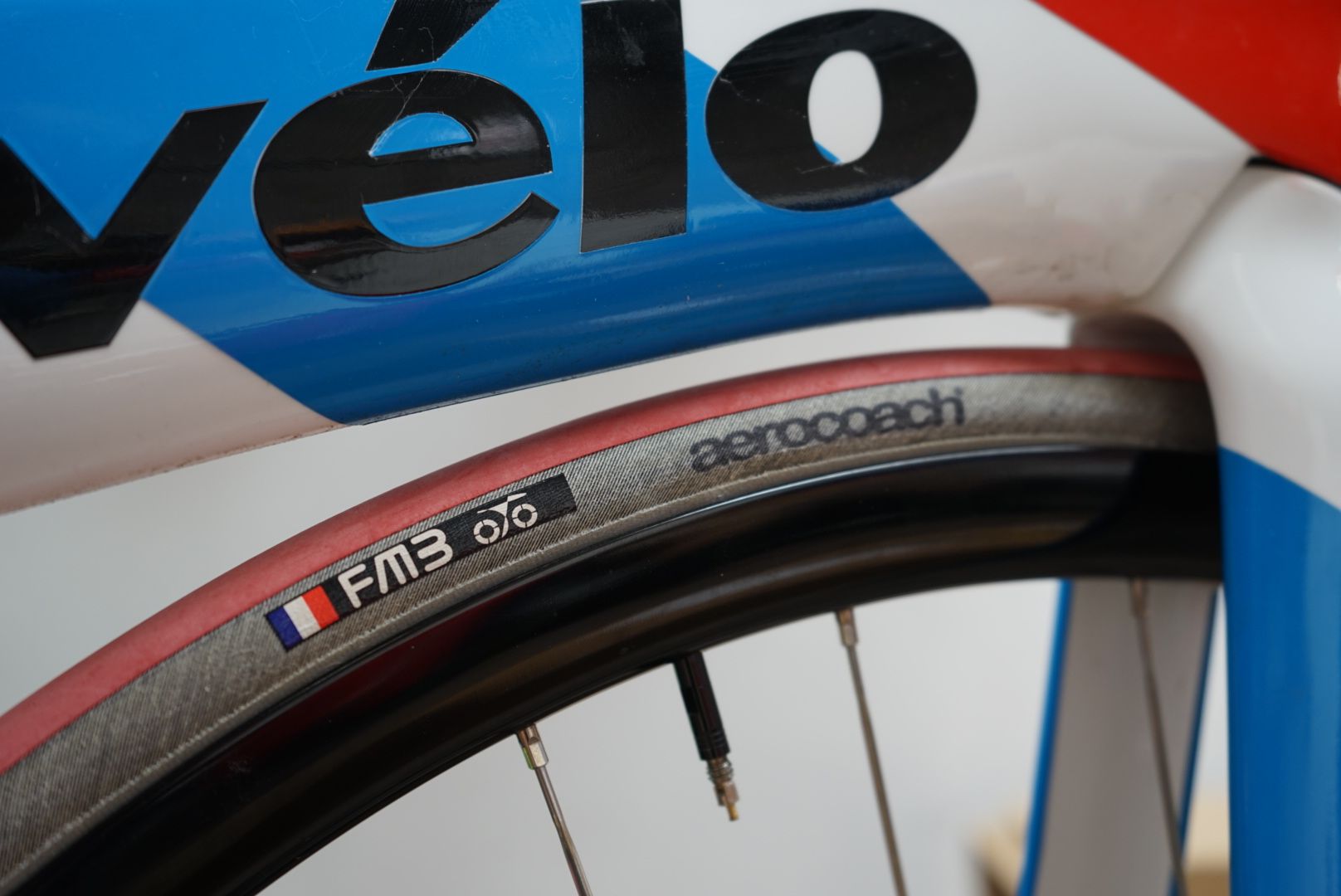
Reducing rolling resistance is imperative to improved cycling performance, particularly during high speed track cycling. A tyre with a high rolling resistance will require more power to travel at the same speed, whilst a low rolling resistance tyre requires less power. We have previous shown that top end clincher tyres, such as the FMB/AeroCoach Pista Ultra 3000 have extremely low rolling resistance. We have also found that for road tyres at road pressures, latex inner tubes are the best option for reducing Crr compared with TPU tubes. In this test we explore the difference between TPU and latex tubes but at higher, track relevant pressures and with a track specific tyre rather than a road tyre.
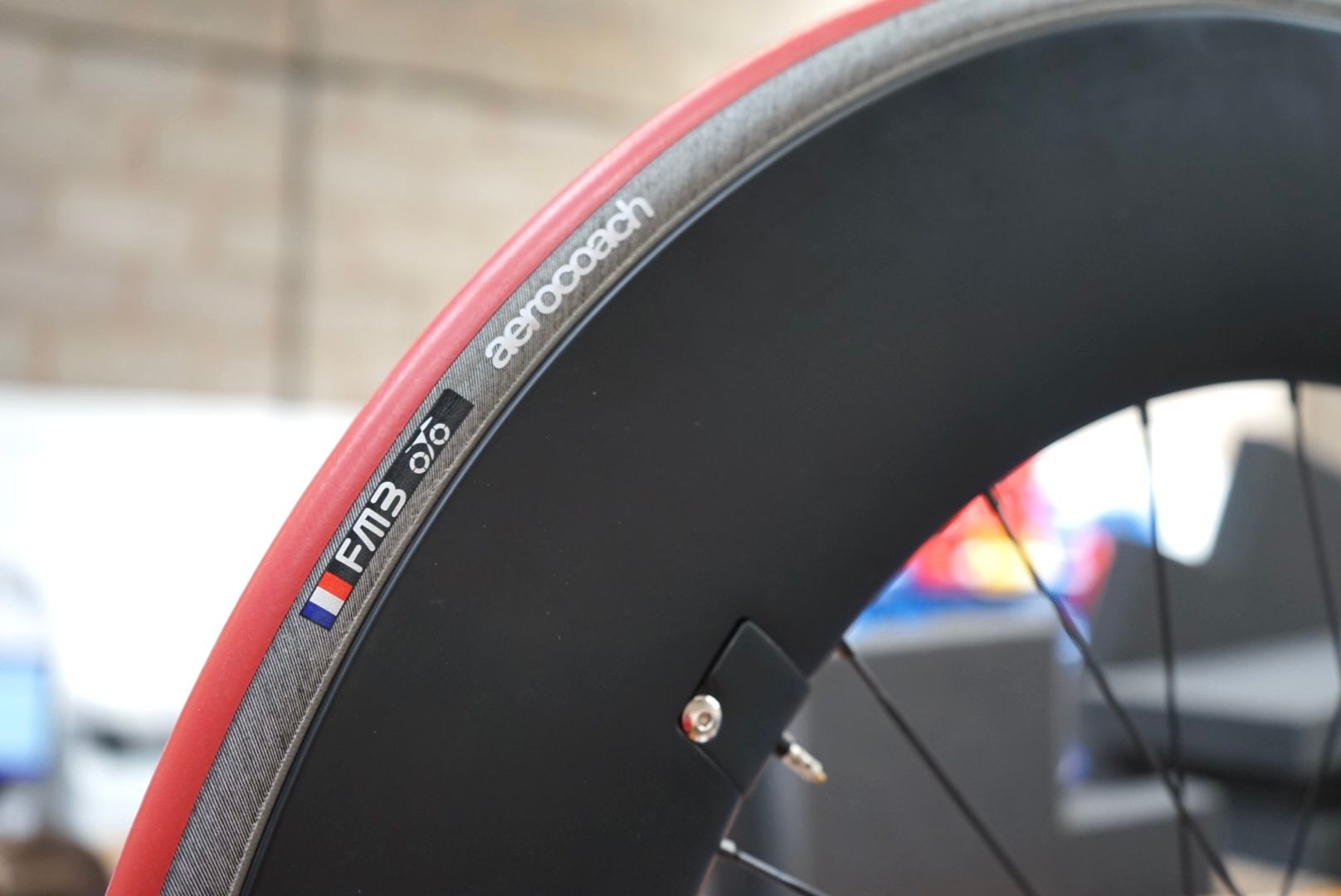
AeroCoach has collaborated with French artisan tyre makes FMB to create the highest performance track clincher and tubular tyres. Read on for the process and data.
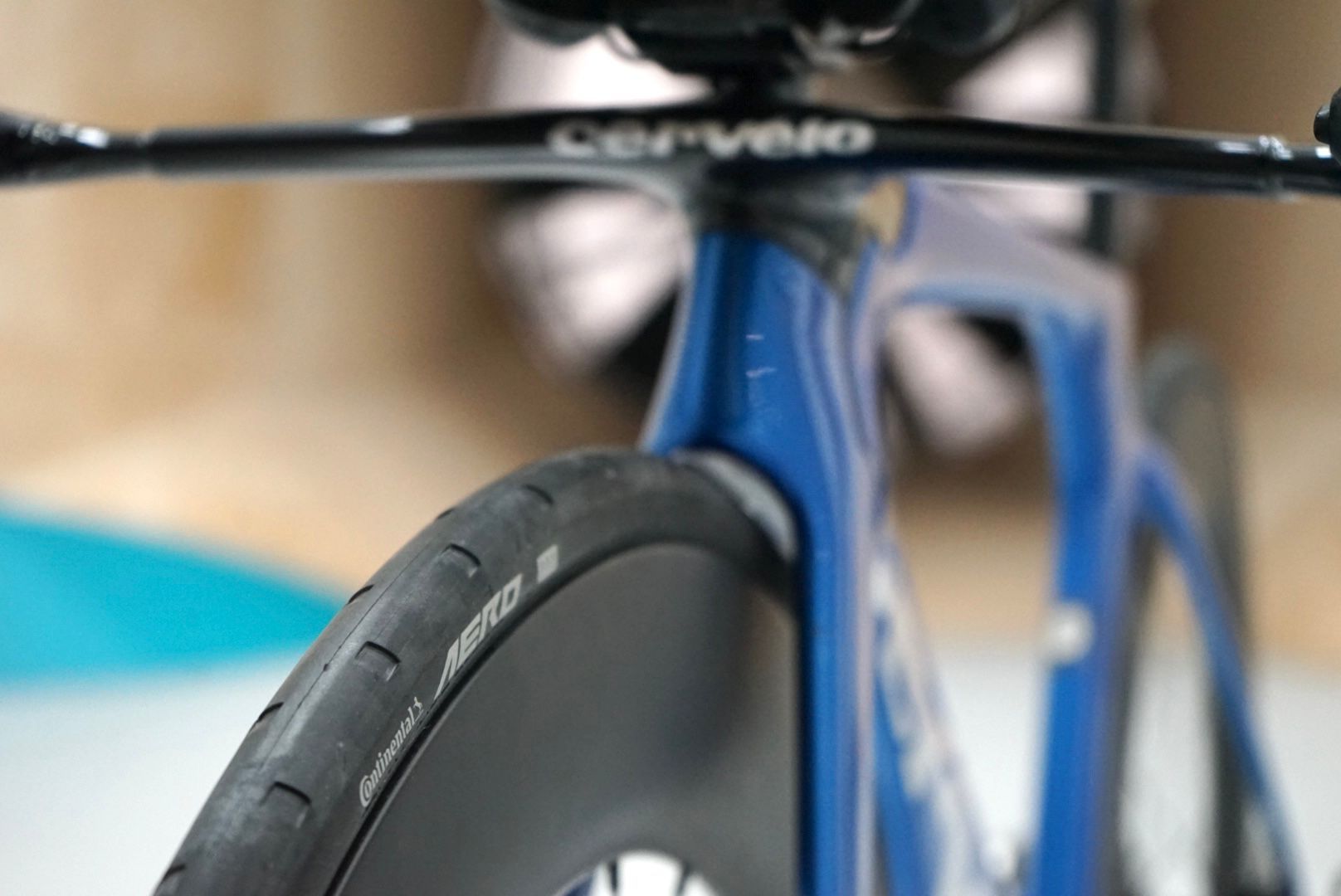
The new Continental Aero 111 tyre is designed to provide maximal aerodynamic advantage by use of a custom tread pattern. However there is often a tradeoff between aerodynamics and rolling resistance (Crr) in terms of how tyres are shaped and how this affects Crr, and understanding how the two combine to provide the overall fastest system is essential when looking to improve performance on the bike.
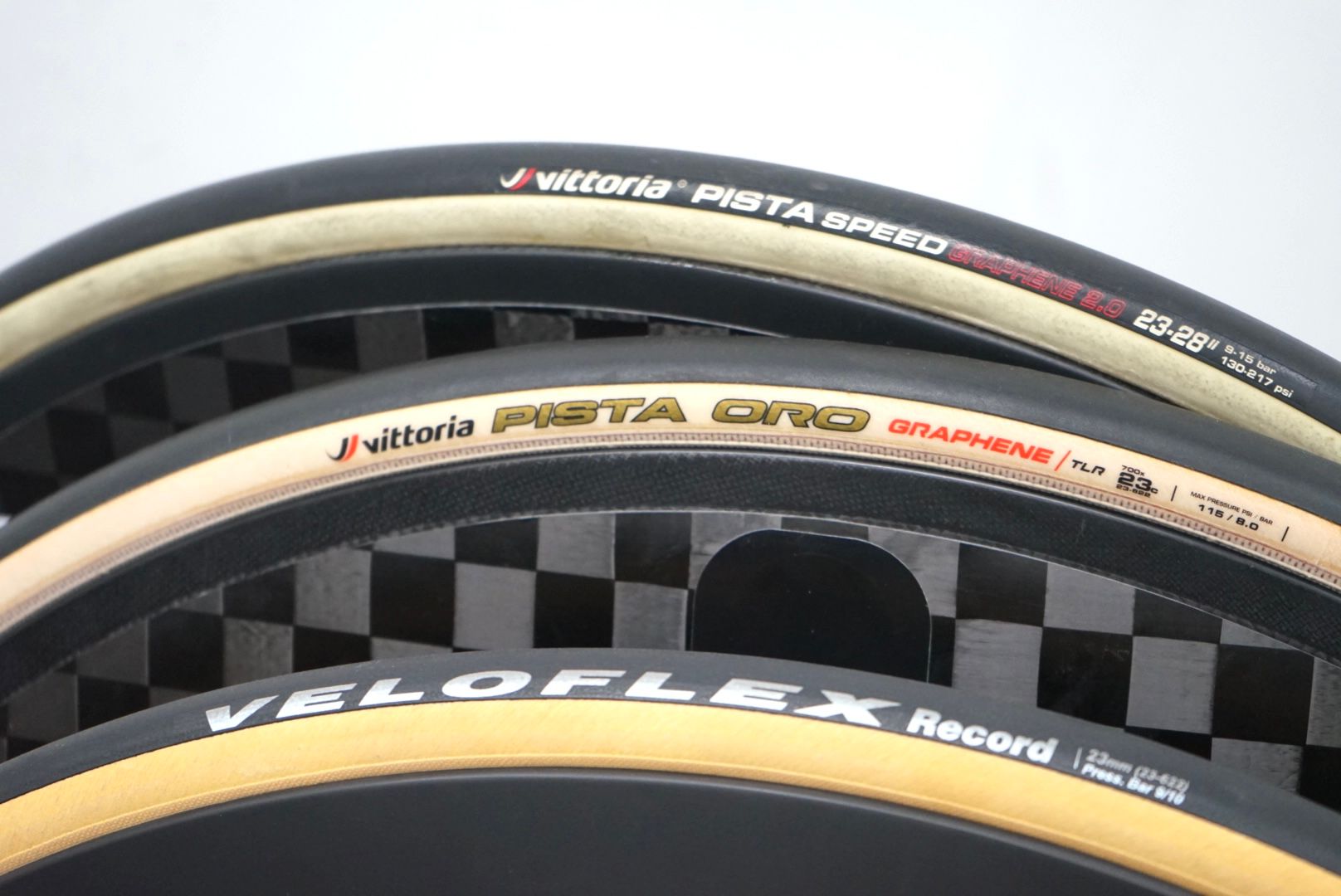
This test explores the difference in rolling resistance between clincher and tubular track racing tyres. Vittoria, Veloflex, Dugast and Continental tyres are compared at different inflation pressures.
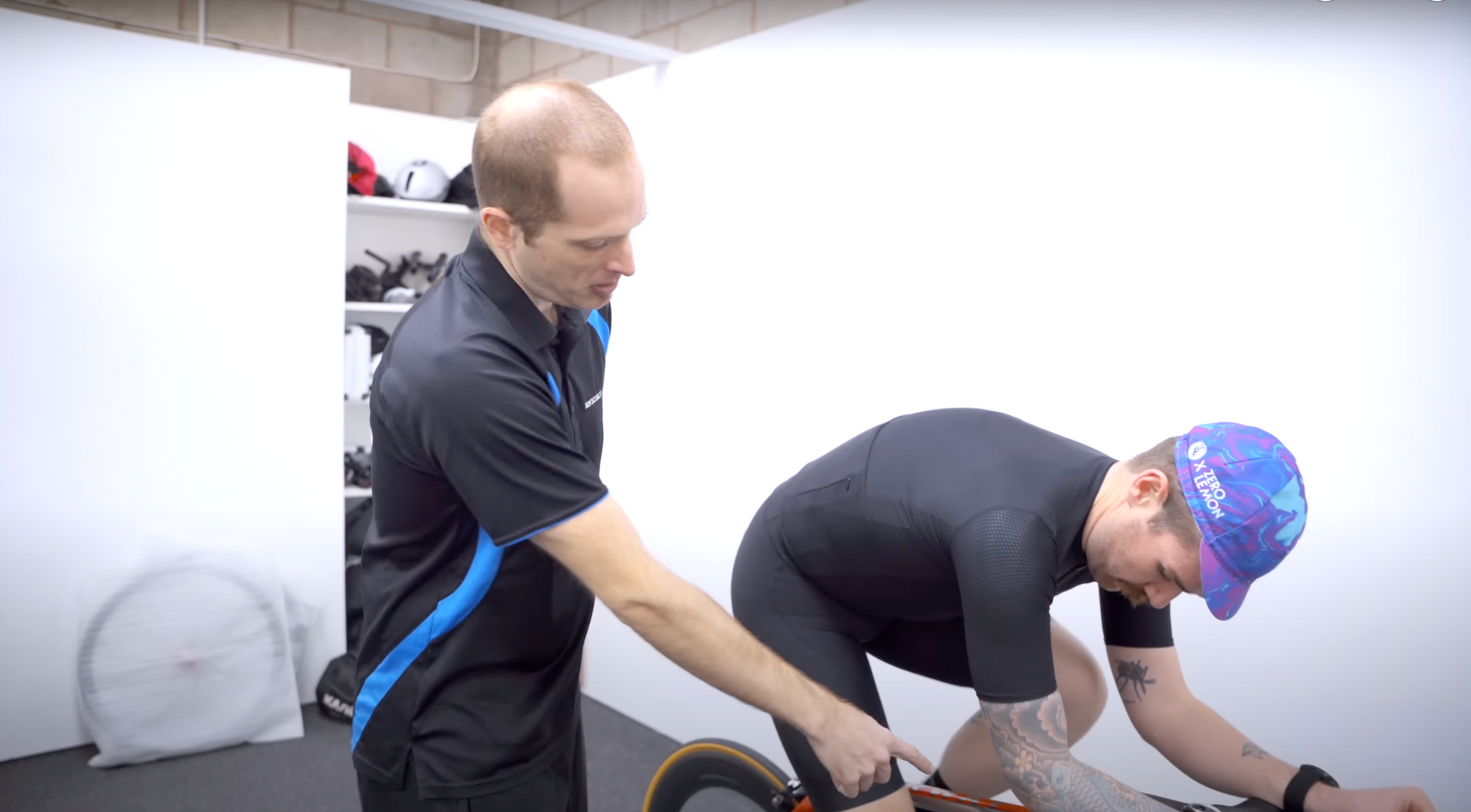
Chris Hall came to visit us at AeroCoach HQ in order to improve his bike fit on his Cervélo road bike, specifically focusing on aerodynamics for road bike time trials. Holding different positions such as in the drops, the breakaway aero position and on the hoods we explored the impact on Chris' body position and how that would relate to his aerodynamic drag.
Watch the video to improve your road bike fit for aerodynamics: Xavier and Chris discuss narrow handlebars, turned in levers, torso angle, aero helmets and more!
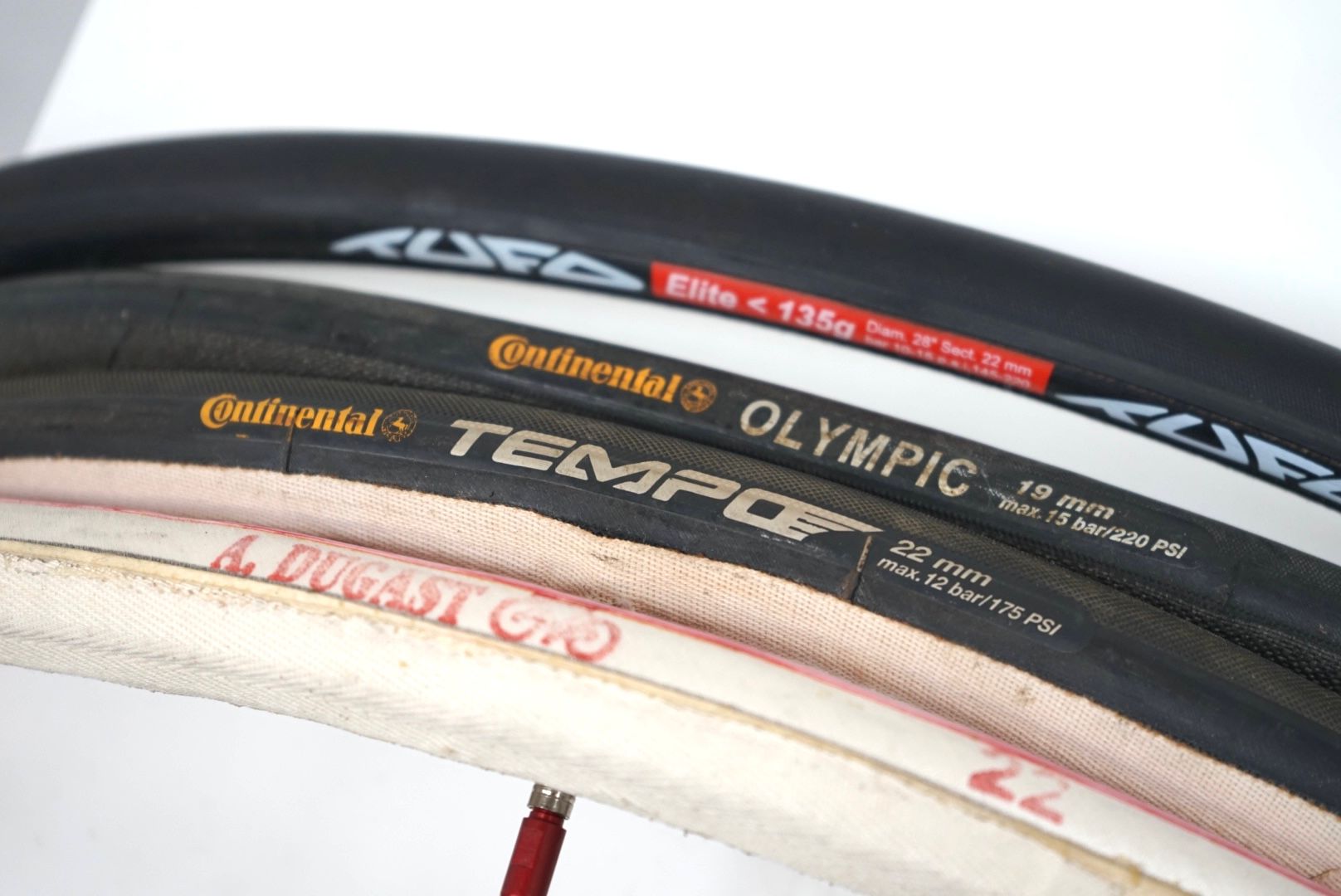
Ensuring you have the best equipment during high speed track cycling events is extremely important. This data set provides information on the best tubular track tires/tyres for rolling resistance/Crr.
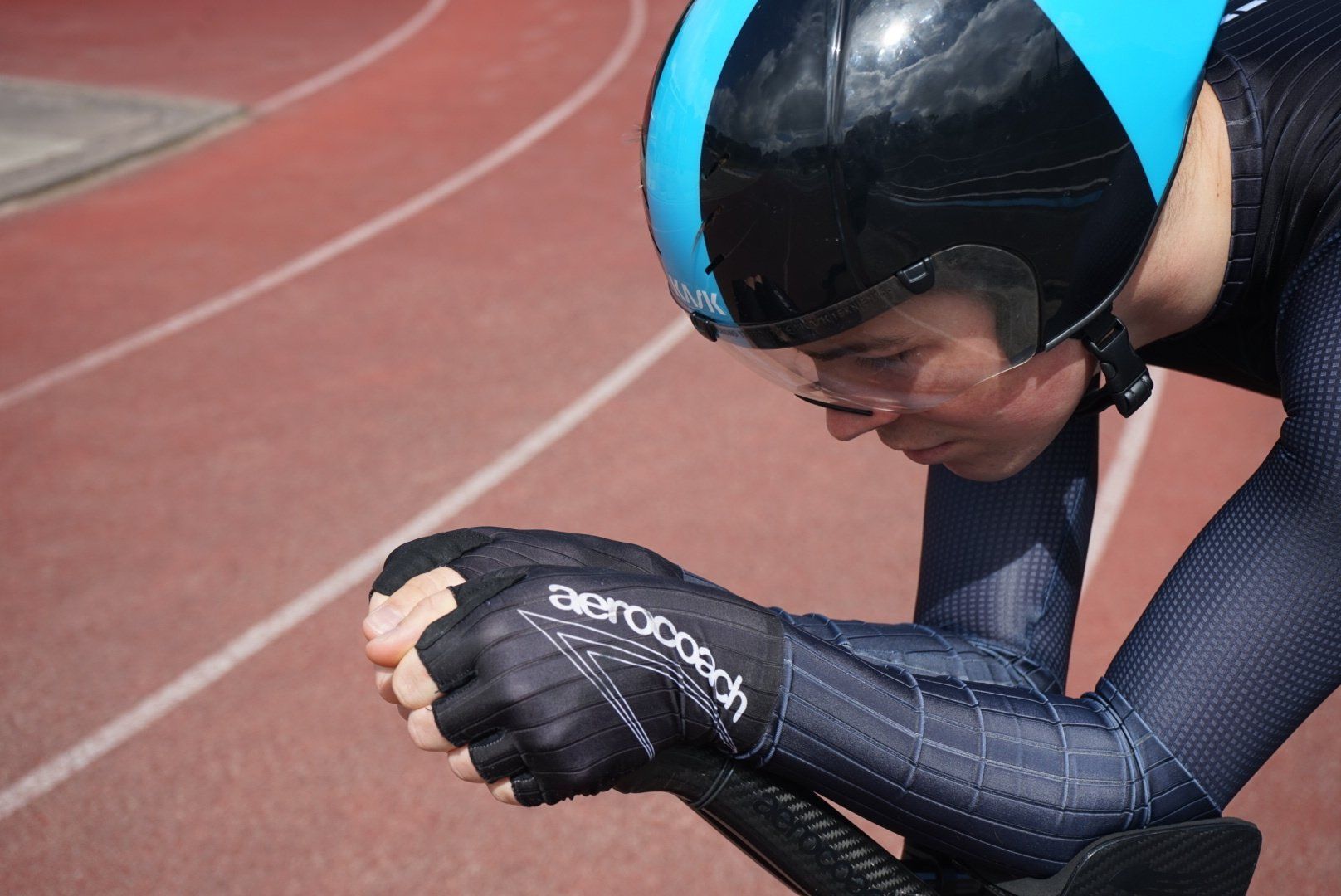
Aerobar extensions, whether used on a triathlon/TT bike or using a clip on system on a road bike, come in a wide variety of sizes and shapes. AeroCoach has been testing riders since 2012 and we've noticed a few trends into how you can optimally hold your extensions for aerodynamics as well as comfort. Your body accounts for around 80% of the aerodynamic drag of the bike and rider system. Your optimal stack height, extension reach and elbow width for aerodynamics will be individual and can only be determined by conducting an aero test, but as well as these variables there are differences in how riders hold their hands on extensions, and in this test we explored some general guidelines which you can follow. Don't forget, a lower aerodynamic drag will result in less power required to travel at the same speed, or for the same power will cause an increase in riding speed, when not travelling up steep gradients.